Elevate Your Manufacturing Top Quality With Professional CNC Machining Solutions in Milling and Turning
CNC machining services in milling and transforming deal substantial advantages for manufacturing operations. These procedures ensure precision and efficiency, essential for generating high-grade parts. With innovative innovation and proficient machinists, services can accomplish superior finishes and detailed styles. Understanding the subtleties of these solutions is necessary for maximizing their advantages. What factors should business consider when choosing the right CNC machining companion?
Understanding CNC Machining and Its Advantages
Numerous making processes exist, CNC machining stands out due to its precision and performance. This sophisticated production technique uses computer-controlled equipments to produce detailed parts with marginal human intervention. By automating the machining procedure, it significantly reduces the chance of human error, ensuring constant quality across manufacturing runs
CNC machining provides countless benefits that attract various sectors. To start with, it fits complex layouts that traditional approaches may battle to achieve. The rate of production is boosted, enabling for quicker turn-around times and enhanced result. Furthermore, CNC machining is functional, suitable for a large range of products, including plastics, metals, and composites.
Moreover, the process enables for simple adjustments, enabling rapid prototyping and modification without extensive retooling. As a result, companies can respond promptly to market needs, making CNC machining an essential part of modern-day production techniques.
The Significance of Accuracy in Milling Processes
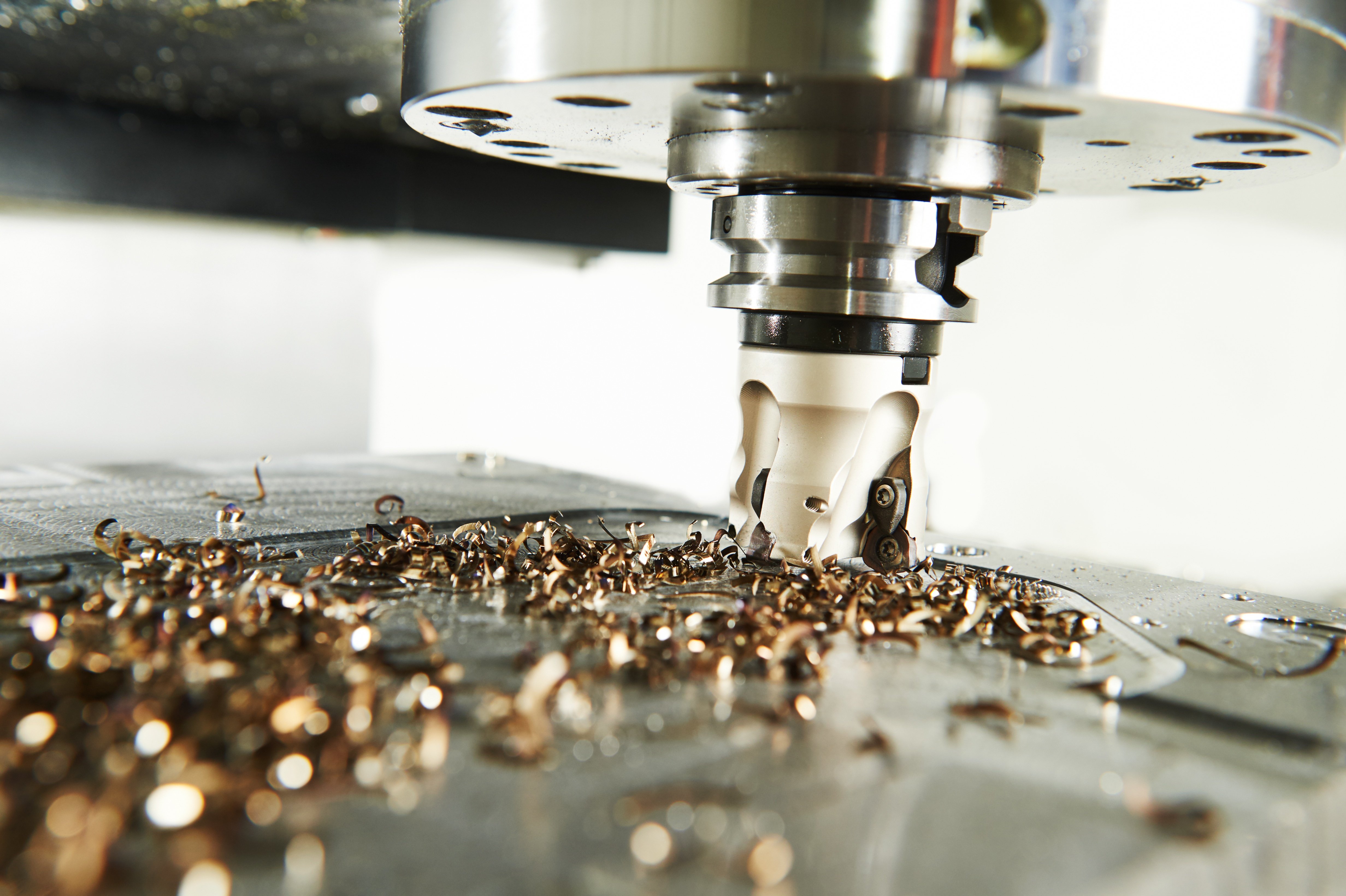
Precision is crucial in milling procedures, as it straight influences the precision of the end product. The option of materials additionally plays a considerable role, impacting just how well the machining process satisfies defined tolerance requirements. Recognizing these elements is necessary for achieving optimal cause CNC machining.
Role of Accuracy
Attaining high degrees of accuracy is vital in crushing processes, as even the smallest inconsistency can lead to considerable mistakes in the end product. Precision in CNC machining directly affects the efficiency, capability, and longevity of the produced elements. Exact crushing guarantees that resistances and dimensions are satisfied, which is important for components that should mesh flawlessly in setting up or run under specific conditions. Additionally, the function of precision includes decreasing waste and remodel, consequently boosting total manufacturing performance. Advanced CNC machines equipped with sophisticated software application and tooling contribute to achieving the required precision. By prioritizing precision in milling, suppliers can assure high-quality outputs that meet stringent sector criteria and customer expectations.
Product Choice Influence
Material option plays a critical function in the milling procedure, influencing both the quality of the last product and the performance of production. Various products exhibit one-of-a-kind residential properties such as hardness, tensile toughness, and machinability, which directly impact the milling method employed. For circumstances, more challenging materials might require specific devices and slower feed prices to avoid tool wear and preserve accuracy. Alternatively, softer products can be milled at higher speeds yet may lack durability. Furthermore, the selection of product can affect surface finish and dimensional precision, requiring mindful factor to consider by manufacturers. Eventually, selecting the appropriate material not only improves item efficiency yet additionally optimizes the milling process, decreasing waste and enhancing general performance.
Resistance Standards Importance
While the selection of products is important, adherence to tolerance requirements is similarly important in CNC machining procedures. Resistance criteria determine the permitted restrictions of variant in dimensions, ensuring components fit and function properly. In milling and transforming procedures, exact resistances improve product quality, decrease waste, and reduce rework. When tolerances are accurately maintained, producers can achieve constant results, which is essential for industries such as aerospace, automotive, and clinical tools, where accuracy is vital. Discrepancies from established standards can lead to setting up concerns, endangered performance, and increased prices. Understanding and implementing correct resistance requirements is fundamental for any kind of CNC machining solution seeking to keep high production quality and fulfill client requirements successfully.
Enhancing Efficiency Via Advanced CNC Turning
Advanced CNC transforming techniques considerably enhance effectiveness in component development by ensuring high accuracy in manufacturing. This boosted precision not only boosts the overall high quality of the components created yet also adds to reduced production time. As an outcome, producers can attain greater outcome while keeping strict top quality criteria.
Accuracy in Part Creation
CNC transforming modern technology has actually revolutionized accuracy in part creation, allowing suppliers to achieve extraordinary precision and efficiency. Using computer-controlled turrets, this sophisticated procedure meticulously shapes products into elaborate layouts, ensuring limited tolerances that fulfill requiring specifications. The automation inherent in CNC transforming decreases human mistake, resulting in regularly high-grade parts tailored to specific requirements. On top of that, the capability to promptly change electronic designs allows for rapid iterations, enhancing the customization of parts without sacrificing precision. Consequently, industries ranging from aerospace to automotive benefit significantly from these developments, as they can create complex geometries effortlessly. Ultimately, CNC turning stands as a cornerstone of modern production, driving accuracy and reliability in element creation.
Minimized Production Time

Trick Technologies in CNC Machining
Numerous essential innovations drive the performance and precision of CNC machining, allowing producers to create complex components with high accuracy. Central to these developments are Computer Aided Layout (CAD) and Computer Helped Manufacturing (CAMERA) software program, which simplify the design-to-production procedure. CAD enables elaborate designs to be developed and manipulated electronically, while camera equates these designs into equipment guidelines.
Additionally improving precision are multi-axis machining centers, which make it possible for reducing tools to move along multiple axes at the same time, minimizing the requirement for multiple setups - tool and die maker. Furthermore, developments in tooling materials and finishes have enhanced toughness and efficiency, permitting much better surface finishes and expanded tool life
Automation technologies, including robotics and smart software program, promote real-time surveillance and adjustments throughout production, making certain consistency and quality. Collectively, these innovations not only improve production capabilities yet also add to the general dependability of CNC machining solutions.
The Function of Competent Machinists in Quality Manufacturing
Experienced machinists play an important duty in guaranteeing the top quality and precision of CNC machining manufacturing. Their experience directly impacts the result of making procedures, as they analyze technological illustrations, set up devices, and pick suitable devices for each and every job. By having a deep understanding of machining principles, they can make real-time adjustments to enhance efficiency and keep limited tolerances.
Additionally, skilled machinists utilize their problem-solving capabilities to identify and correct problems throughout manufacturing, avoiding flaws and ensuring that the final products meet strict high quality requirements. Their knowledge with different materials and machining techniques allows them to adjust to varied job requirements, enhancing total performance
In enhancement, these professionals frequently collaborate with designers and designers, giving useful insights that add to the continual enhancement reference of production approaches. Eventually, the significance of experienced machinists in CNC machining can not be overstated, as they develop the backbone of top quality production operations.
Minimizing Waste and Optimizing Resources
Effective CNC machining not just depends on the know-how of competent machinists yet also highlights the importance of minimizing waste and maximizing resources throughout the manufacturing procedure. By using advanced modern technologies and precise programs, makers can decrease material waste, making sure that every item of basic material is utilized successfully.
Incorporating techniques such as nesting, where components are set up to make the most of material usage, can significantly reduce scrap manufacturing. In addition, real-time surveillance of equipment efficiency allows for immediate adjustments, avoiding overproduction and resource depletion.
Executing pop over here sustainable practices, such as recycling steel shavings and making use of green products, adds to both expense savings and environmental responsibility.
Via these actions, CNC machining solutions can improve performance while maintaining top notch standards, inevitably leading to a much more lasting and rewarding operation. By prioritizing source optimization, services can accomplish greater performance and a minimized environmental footprint in their production processes.
Choosing the Right CNC Machining Solution for Your Needs
Just how does one figure out the most effective CNC machining service for details job requirements? Picking the proper CNC machining service involves a number of vital considerations. Project specs, including material dimensions, resistances, and kinds, should be plainly specified. This ensures that the picked service can satisfy the technological needs of the project.
Second, assessing the provider's competence and experience in the relevant market can give insights right into their capacities. Taking a look at previous projects and client testimonials can additionally educate the decision.
Third, reviewing the offered innovation and equipment is essential, as advanced devices commonly leads to higher precision and efficiency.
Expense and turn-around time must be taken into consideration to assure the solution straightens with financial restraints and target dates. By carefully analyzing these factors, businesses can identify the CNC machining service that best fits their distinct production needs.
Frequently Asked Questions
What Products Can Be Made Use Of in CNC Machining?
CNC machining can make use of a range of materials including metals like aluminum, steel, and titanium, in addition to plastics such as acrylic and nylon, and composites, giving convenience for various manufacturing applications and industries.
How much time Does a Normal CNC Machining Job Take?
A common CNC machining task can take anywhere from a couple of days to numerous weeks, depending upon elements such as intricacy, product type, layout specs, and production quantity. Timelines differ based on task demands and urgency.
Are CNC Machining Provider Ecologically Friendly?
CNC machining services can be eco-friendly, specifically when using reliable processes and sustainable products. Waste reduction and energy-efficient equipment contribute to a reduced environmental influence, making these services a practical option for eco-conscious manufacturing.
What Industries Typically Make Use Of CNC Machining Services?
CNC machining solutions are typically utilized in different industries, consisting of automobile, aerospace, electronic devices, medical tools, and manufacturing. These industries rely upon accuracy machining for components that need high accuracy, effectiveness, and repeatability in manufacturing processes.
Just How Can I Prepare My Designs for CNC Machining?
To prepare designs for CNC machining, one need to guarantee appropriate documents formats, maximize measurements for tolerance, include essential machining attributes, and think about material buildings. Furthermore, giving comprehensive documents can enhance the production process's effectiveness and precision.
While the choice of materials is vital, adherence to resistance criteria is equally vital in CNC machining procedures. Experienced machinists play a necessary duty in ensuring the quality and precision of CNC machining production. A common CNC machining job can take anywhere from a couple of days to numerous weeks, depending on variables such as intricacy, product kind, design specifications, and production volume. CNC machining services can be ecologically friendly, particularly when utilizing sustainable materials and efficient processes. To prepare layouts for CNC machining, one must ensure appropriate data styles, optimize dimensions for tolerance, include essential machining attributes, and take into consideration product properties.